
How California to West Virginia Car Shipping Works (Step-by-Step Guide)
California to West Virginia car shipping is a long-distance interstate vehicle transport process that requires coordination between carriers, drivers, and logistics teams. Covering more than 2,000 miles across multiple states, this route involves regulatory compliance, route planning, and careful vehicle handling.
This step-by-step guide explains how car shipping from California to West Virginia works, helping vehicle owners understand the full process from scheduling pickup to final delivery.
Understanding Interstate Auto Transport
Interstate car shipping refers to transporting a vehicle across state lines using licensed commercial carriers. Routes like California to West Virginia fall under federal transportation regulations, which govern:
- Driver work hours
- Vehicle securement standards
- Insurance requirements
- Highway compliance
Professional auto transport companies follow these regulations to ensure safe and lawful vehicle movement.
Planning the California to West Virginia Route
- Pickup and delivery cities
- Total mileage (typically 2,300–2,700 miles)
- Major interstate highways
- Weather patterns and seasonal risks
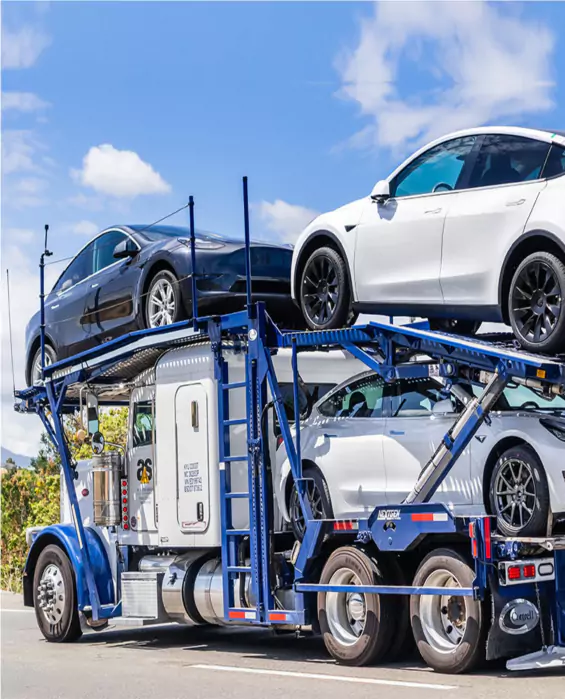
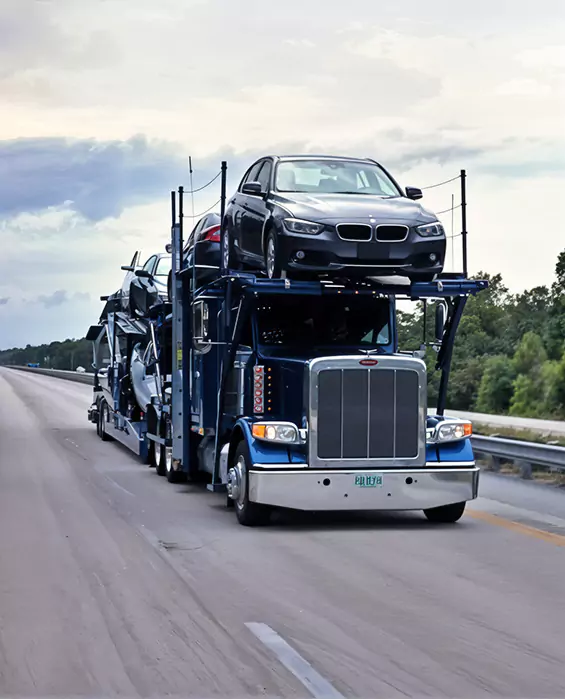
Well-established interstate corridors are used to reduce delays and maintain predictable delivery timelines.
Selecting the Appropriate Transport Type
Open Auto Transport
Open transport is the most commonly used option for long-distance shipping.
- Vehicles are transported on open carriers
- Suitable for standard sedans, SUVs, and trucks
- Widely available nationwide
Enclosed Auto Transport
Enclosed transport provides additional protection.
- Fully covered trailers
- Often used for classic, luxury, or high-value vehicles
- Shields vehicles from weather and road debris
The transport method affects equipment type but not the overall shipping workflow.
Scheduling Pickup and Carrier Assignment
Once transport details are finalized:
- A licensed carrier is assigned
- Pickup windows are coordinated
- Dispatch teams communicate route timelines
Pickup scheduling depends on carrier availability, route flow, and accessibility of the pickup location.
Open Vehicle Inspection Before Transport
Before loading, a detailed inspection is performed:
- Exterior condition is documented
- Existing scratches or dents are recorded
- Condition is listed on the Bill of Lading
This document acts as the official condition report and protects all parties involved.
Loading and Securing the Vehicle
After inspection:
- The vehicle is driven or winched onto the carrier
- Wheel straps and restraints are applied
- Positioning is balanced for long-haul safety
Secure loading is critical for cross-country routes that pass through varied terrain and climate zones.
Interstate Transit From California to West Virginia
During transit:
- Drivers follow DOT-mandated driving limits
- Daily progress averages 400–500 miles
- Weather, traffic, and road conditions may impact timing
Cross-country car shipping is carefully monitored to ensure regulatory compliance and route efficiency.
Delivery and Final Inspection
At delivery:
- The vehicle is unloaded
- A post-delivery inspection is conducted
- Condition is compared to the original Bill of Lading
Any discrepancies are documented at this stage to ensure transparency.
Completion and Documentation
Once delivery is complete:
- Shipping paperwork is finalized
- Transport records are closed
- The vehicle shipping process concludes
Understanding this structured process helps vehicle owners prepare properly and set realistic expectations.
FAQs
Yes, interstate auto transport is regulated by the U.S. Department of Transportation.
It is an official document that records vehicle condition before and after transport.
Yes, but winter weather may cause minor delays.
Yes, this route crosses several states, requiring federal compliance throughout transit.