

Common Routes and Mileage Between California and West Virginia
California to West Virginia car shipping is considered a coast-to-east long-distance route that relies on major interstate highways and proven logistics corridors. Because of the distance and terrain involved, understanding common routes and mileage helps vehicle owners better anticipate transit timelines and delivery planning.
In this guide, we’ll walk you through everything you need to know about Alabama to Texas auto transport: costs, transit times, carrier types, preparation tips, safety, insurance, common routes, and why professional car shipping is often better than driving yourself. We’ll also address the most common questions people search for before booking their vehicle shipment.
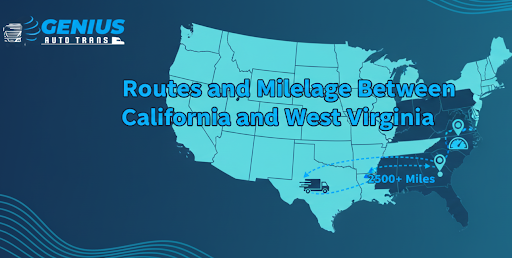
Average Mileage for California to West Virginia Transport
The total mileage depends on pickup and delivery cities:
- Southern California to Charleston, WV: ~2,300 miles
- Northern California to Morgantown, WV: ~2,600–2,700 miles
Mileage directly impacts transit duration, driver scheduling, and route selection.
Major Interstate Highways Used
Auto transport carriers rely on national highways designed for freight movement.
Commonly Used Interstates
- I-5 and I-15 for California pickup regions
- I-40 for cross-country east-west travel
- I-70 for Midwest-to-East connectivity
- I-64 for access into West Virginia
These highways support large carriers and comply with commercial transport regulations.
Why Route Selection Matters
Choosing the right route helps:
- Reduce delivery delays
- Avoid restricted roadways
- Maintain driver safety
- Improve delivery predictability
Transport companies assess each route carefully before dispatch.
Geographic and Terrain Considerations
This route crosses:
- Desert regions
- Plains and Midwest states
- Appalachian mountain areas
Elevation changes and terrain influence speed, fuel planning, and delivery schedules.
Weather and Seasonal Route Adjustments
Seasonal conditions affect route planning:
- Winter snow in mountain regions
- Summer heat in desert states
- Rain and fog in eastern regions
Carriers adjust routes to minimize risk and comply with safety guidelines.
Urban vs Rural Access Along the Route
Pickup and delivery access varies by location:
- Urban areas may have congestion or parking restrictions
- Rural areas may limit large carrier access
Alternative meeting points are sometimes used for safe loading and unloading.
How Mileage Affects Transit Time
While mileage varies, long-distance routes typically average:
- 400–500 miles per day
- 7–10 day transit windows
Delays may occur due to inspections, weather, or traffic congestion.
Importance of Established Transport Corridors
Using proven interstate corridors ensures:
- Compliance with DOT regulations
- Efficient fuel and rest planning
- Reduced mechanical and logistical risks
This is why experienced auto transport providers rely on consistent national routes.