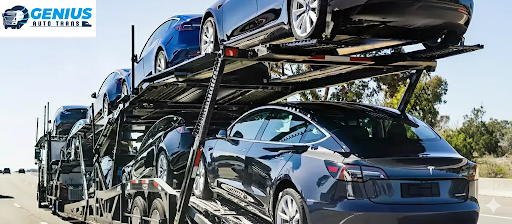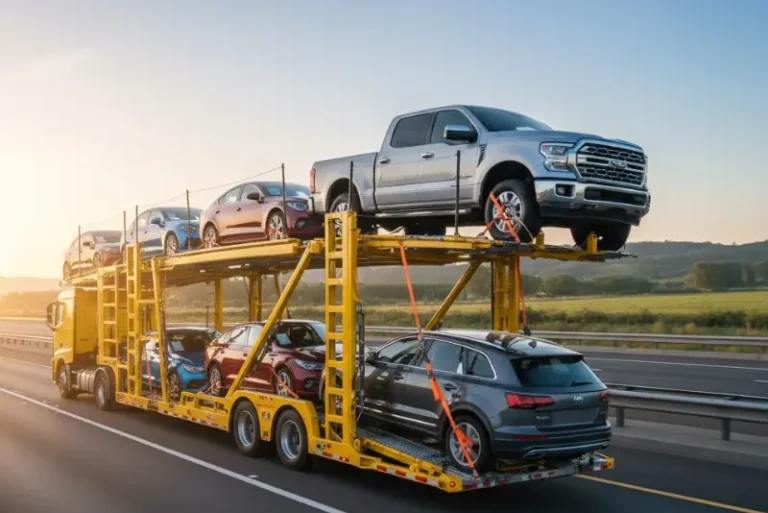


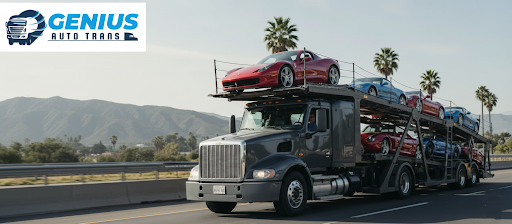
Shipping a car from Louisiana to California is one of the most common long-distance auto transport routes in the United States. Whether you’re relocating for work, purchasing a vehicle online, moving for military service, or planning an extended stay on the West Coast, professional auto transport offers a safer and more convenient alternative to driving thousands of miles.
This in-depth guide explains how car shipping from Louisiana to California works, including pricing factors, delivery timelines, transport methods, vehicle preparation, and key considerations to help you make informed decisions before booking.
Overview of Louisiana to California Auto Transport
Transporting a vehicle from Louisiana to California typically covers 1,800 to 2,100 miles, depending on pickup and delivery locations. Common city-to-city routes include:
- New Orleans, LA to Los Angeles, CA
- Baton Rouge, LA to San Diego, CA
- Shreveport, LA to San Francisco, CA
- Lafayette, LA to Sacramento, CA
Because this is a high-mileage interstate route, pricing and scheduling depend heavily on carrier availability, fuel costs, seasonal demand, and vehicle specifications. The route often runs through major corridors such as I-10, I-20, and I-40, making it accessible for long-haul carriers.
How Shipping a Car from Louisiana to California Works
Car shipping follows a standardized process designed to protect your vehicle and ensure smooth delivery.
1. Request a Quote
Auto transport pricing is calculated using distance, vehicle size, transport method, and timing. Quotes typically reflect door-to-door service.
2. Schedule Pickup
Once booked, a licensed carrier is assigned based on route availability and vehicle requirements.
3. Vehicle Inspection & Loading
At pickup, the vehicle is inspected and documented on a Bill of Lading before being loaded onto the carrier.
4. Transit Across States
The carrier transports your vehicle across multiple states, providing updates or tracking as available.
5. Delivery & Final Inspection
Upon arrival in California, the vehicle is inspected again before delivery is completed.
Cost to Ship a Car from Louisiana to California
The cost of shipping a car from Louisiana to California varies based on multiple pricing variables.
Average Cost Range
- Standard sedans: $1,200 – $1,700
- SUVs & trucks: $1,500 – $2,100
- Luxury or enclosed transport: $2,000 – $3,000+
These are general estimates and may fluctuate depending on market conditions.
What Affects Louisiana to California Auto Transport Pricing?
Distance & Fuel Costs
Longer distances increase fuel consumption and driver hours, directly impacting cost.
Vehicle Size & Weight
Larger vehicles require more space and reduce carrier capacity, raising transport fees.
Transport Type
Open transport is more affordable, while enclosed transport provides added protection at a premium price.
Pickup & Delivery Accessibility
Urban areas offer easier access and lower costs than rural or remote locations.
Seasonal Demand
Summer months, snowbird seasons, and relocation peaks increase pricing due to higher demand.
Open vs Enclosed Auto Transport
Open Auto Transport
- Most commonly used method
- Cost-effective and widely available
- Suitable for standard vehicles
Enclosed Auto Transport
- Fully protected from road debris and weather
- Ideal for classic, luxury, or exotic vehicles
- Higher cost due to limited availability
Estimated Transit Time from Louisiana to California
Most vehicles are delivered within:
- 5 to 7 days for standard shipments
- 3 to 5 days for expedited services
Transit time can vary due to weather, traffic, road conditions, and carrier scheduling.
Door-to-Door vs Terminal-to-Terminal Shipping
Door-to-Door Auto Transport
- Pickup and delivery as close to your location as legally possible
- Most convenient and widely used option
Terminal-to-Terminal Shipping
- Requires vehicle drop-off and pickup at designated terminals
- Less common and not always more cost-effective
Preparing Your Vehicle for Long-Distance Shipping
Proper preparation helps prevent delays and ensures a smooth shipping experience.
Pre-Transport Checklist
- Clean your vehicle for inspection
- Remove personal items
- Leave fuel at about ¼ tank
- Disable alarms
- Check tire pressure and battery condition
Insurance Coverage During Transport
All licensed auto carriers carry cargo insurance that covers damage during transit.
What to Confirm Before Shipping
- Insurance coverage limits
- Deductibles (if any)
- Claims process
Always request proof of insurance and understand the terms before shipping.
Common Reasons People Ship Cars from Louisiana to California
- Job relocation or corporate moves
- Online vehicle purchases
- Military PCS transfers
- College or student relocations
- Seasonal or long-term travel
Shipping Different Types of Vehicles
Standard Cars
Most sedans and compact vehicles are easily shipped using open transport.
SUVs & Pickup Trucks
Require additional space and may increase transport cost.
Luxury & Classic Vehicles
Often shipped using enclosed transport for maximum protection.
Non-Running Vehicles
Can be transported with special equipment, usually at an additional cost.
Why Long-Distance Auto Transport Requires Planning
Shipping a vehicle across multiple states involves:
- Federal and state transport regulations
- DOT compliance
- Driver hour limitations
- Route optimization
Working with experienced auto transport providers helps ensure compliance and reliable delivery.
Tips for a Smooth Louisiana to California Car Shipping Experience
- Book early, especially during peak seasons
- Be flexible with pickup and delivery dates
- Choose the right transport method for your vehicle
- Communicate clearly with your carrier
Final Thoughts on Shipping a Car from Louisiana to California
Shipping a car from Louisiana to California is a practical and efficient solution for long-distance vehicle relocation. By understanding pricing factors, transit times, transport options, and preparation requirements, vehicle owners can avoid unexpected delays and ensure safe delivery.
Choosing a provider familiar with long-haul interstate routes helps streamline the process and protects your vehicle throughout the journey.